Most Americans don’t need a calendar reminder to know when Daylight Saving Time is ending. You feel it instead. The sun drops earlier. Evenings feel rushed. Dinner somehow lands closer to bedtime. And suddenly, it’s dark before you’ve even thought about a walk after work. In 2026, that familiar shift arrives right on schedule—and yes, the clocks are still changing.
When Daylight Saving Time Ends in 2026
Daylight Saving Time officially ends on Sunday, November 1, 2026.

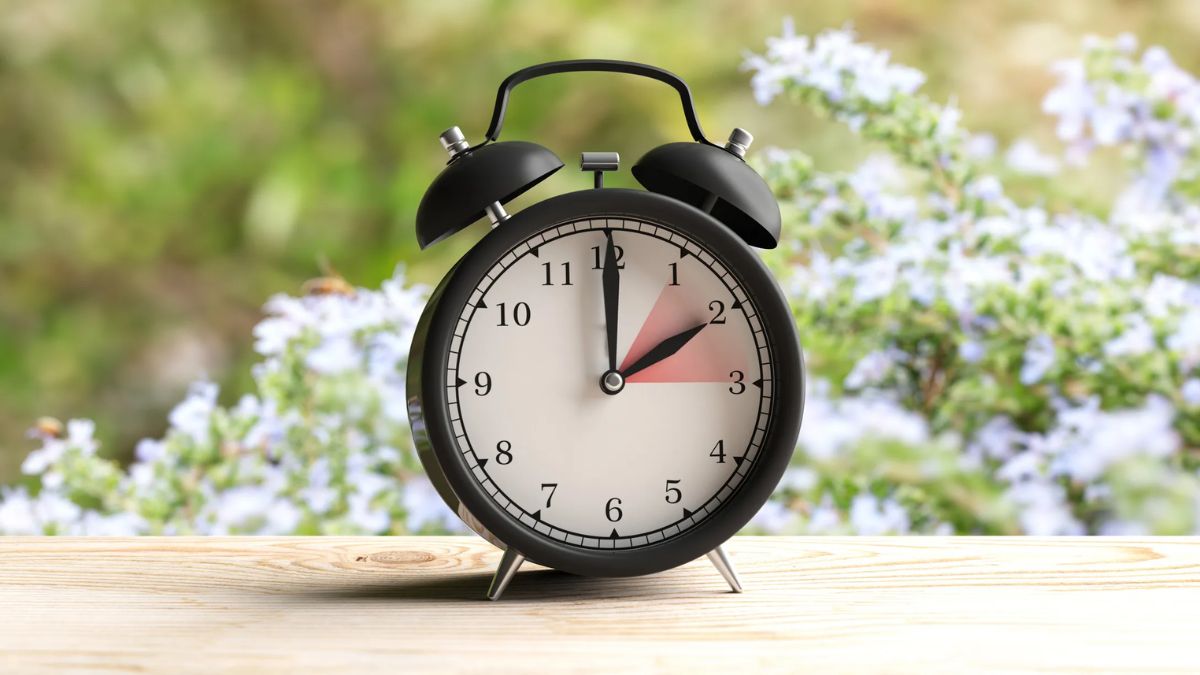
At 2:00 a.m. local time, clocks across most of the United States will move back one hour, returning to 1:00 a.m. That’s when Standard Time resumes and sticks around until Daylight Saving Time begins again in March 2027.
If you’re like most people, your phone, laptop, smartwatch, and even your streaming devices will update automatically. The clocks that still trip people up tend to be the old-school ones: car dashboards, wall clocks, microwaves, ovens, and that one watch you never quite figured out how to set in the first place.
Read Also- 4 Most Gentle Zodiac Signs

A good rule of thumb? Set them back before bed on Saturday night and spare yourself the Sunday-morning confusion.
Why the Time Change Still Exists
Daylight Saving Time has been around in the U.S. in some form since World War I, originally pitched as a way to conserve energy by making better use of daylight. The idea was simple: shift an hour of sunlight from the morning to the evening, when people are more active.
When clocks fall back in November, the trade-off reverses. Mornings get brighter, evenings darker. Whether that’s a good thing depends on who you ask.

Supporters argue brighter mornings improve safety for early commuters and schoolchildren. Critics say darker evenings hurt mental health, reduce physical activity, and no longer provide meaningful energy savings in a world dominated by LEDs and screens.
The U.S. Department of Transportation still oversees Daylight Saving Time policy, noting that the current system remains federal law unless Congress acts. You can find the official framework outlined on the DOT’s website at https://www.transportation.gov.
What “Falling Back” Does to Sleep and Health
On paper, the fall transition sounds great. An extra hour of sleep? Sign most people up.
In reality, it’s not quite that simple.
Yes, many people do sleep a bit longer the first night. But the earlier sunset can disrupt circadian rhythms over time. Less evening daylight often means less movement, less outdoor activity, and more screen exposure at night—all of which can affect sleep quality.
According to guidance from the Centers for Disease Control and Prevention (https://www.cdc.gov/sleep), even small shifts in sleep schedules can impact mood, focus, and energy levels, particularly for children, older adults, and people with existing sleep disorders.
That said, the fall change is widely considered less disruptive than the spring “lose an hour” shift, which has been linked to short-term increases in heart attacks and workplace injuries.
How Daily Life Changes After November 1
Once Daylight Saving Time ends, mornings immediately feel different. Sunlight arrives earlier, which many people welcome—especially parents dealing with dark school drop-offs or commuters heading out before sunrise.
Evenings, however, shrink fast.
In much of the country, it will be dark by 4:30 to 5:00 p.m. just weeks after the switch. That change ripples through daily routines.
Outdoor exercise gets harder to fit in. Retailers often see earlier shopping hours. Restaurants may experience slower late-evening traffic. Families adjust dinner, homework, and screen-time schedules almost subconsciously.
There’s also a psychological element. Earlier darkness can amplify seasonal mood changes, sometimes referred to as seasonal affective disorder (SAD). The National Institute of Mental Health (https://www.nimh.nih.gov) notes that reduced daylight exposure can affect serotonin levels and sleep-wake cycles.
Who Doesn’t Change Their Clocks
Not everyone participates in the twice-yearly ritual.
Hawaii and most of Arizona do not observe Daylight Saving Time and remain on Standard Time year-round. U.S. territories including Puerto Rico, Guam, the U.S. Virgin Islands, and American Samoa also skip the change.
If you’re traveling around November 1, 2026—especially across time zones—it’s worth double-checking local rules. Missed meetings and flights have a way of piling up during time-change weekends.
Will Daylight Saving Time Ever End?
This is where things get interesting—and complicated.
Over the past decade, dozens of states have introduced legislation aimed at ending the clock changes. Some want permanent Standard Time. Others want permanent Daylight Saving Time. As of now, many states have passed bills expressing intent, but federal approval is still required for permanent DST.
The Sunshine Protection Act, which would make Daylight Saving Time permanent nationwide, has been introduced multiple times in Congress but has not become law. Until that changes, the twice-a-year clock adjustment remains mandatory.
For now, the official guidance from the U.S. government is clear: clocks still fall back in November and spring forward in March.
A Quick Look at Key Dates
| Event | Date | Time Change |
|---|---|---|
| Daylight Saving Time ends | November 1, 2026 | Clocks move back 1 hour |
| Standard Time begins | November 1, 2026 | 2:00 a.m. becomes 1:00 a.m. |
| Daylight Saving Time resumes | March 2027 | Clocks move forward 1 hour |
Tips to Make the Transition Easier
The end of Daylight Saving Time doesn’t have to throw your routine off track.
Start by adjusting bedtime gradually in the days leading up to November 1—just 10 or 15 minutes earlier can help your body ease into the change. Get as much natural light as possible during the day, especially in the morning. Limit bright screens at night, particularly in the first week after the switch.
Many families also use the time change as a practical reminder: check smoke detector batteries, review emergency kits, and reset household schedules tied to daylight.
Small steps, but they add up.
Why This Still Matters in 2026
Daylight Saving Time may feel like an outdated tradition, but its effects are very real. It influences how we sleep, how we work, how we commute, and even how we socialize. Whether you love the extra sleep or dread the early darkness, knowing exactly when the change happens helps you stay ahead of it.
Until lawmakers decide otherwise, the ritual continues.
On Sunday, November 1, 2026, clocks across most of the U.S. will fall back one hour, ushering in Standard Time and signaling the quiet slide toward winter. Set the clocks, enjoy the extra hour, and brace yourself for those earlier nights—it’s all part of the rhythm, for now.