
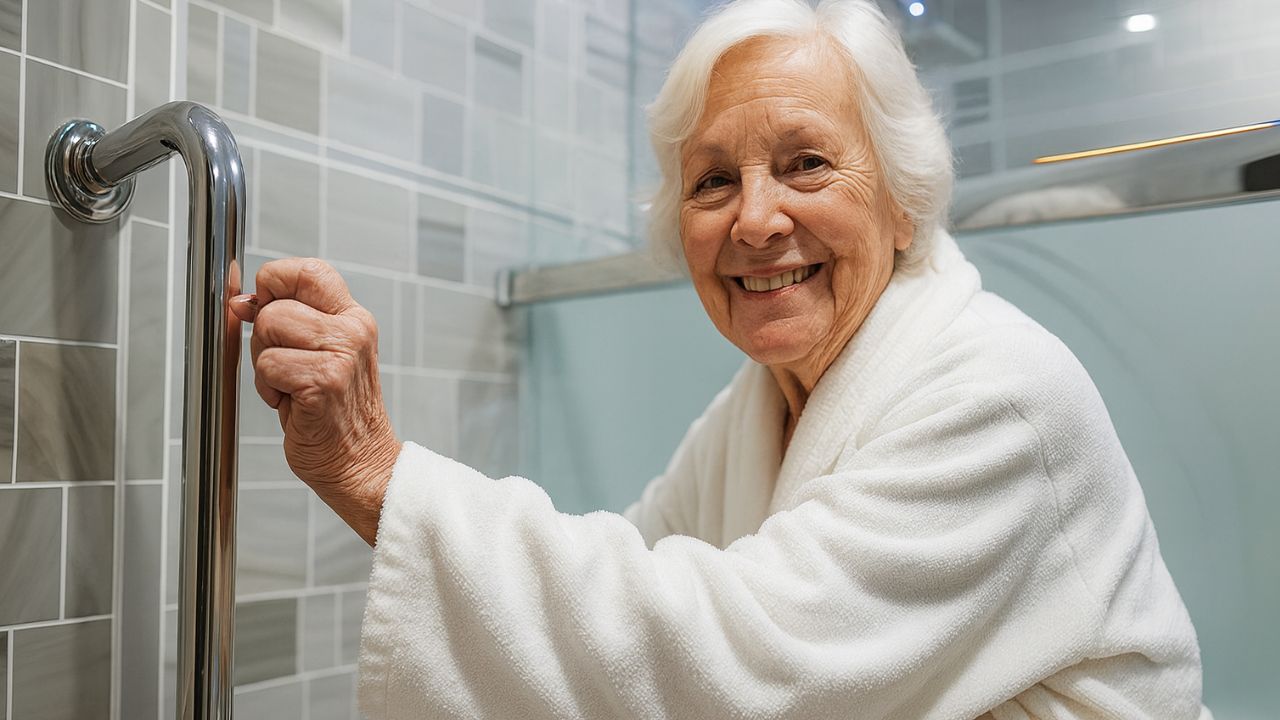
Many older adults will quietly admit they’re stuck in a strange tug-of-war every morning: stay clean and fresh, but avoid that tight, papery dryness that seems to show up out of nowhere after 65. One shower too many and the skin rebels. One too few and confidence takes a hit. The truth is, skin changes faster than most people expect—and fighting it rarely works. The sweet spot is learning the rhythm your body prefers now, not the one it had 20 years ago.
Why Skin After 65 Needs a Softer Touch
Aging skin isn’t fragile in the way people imagine, but it is less forgiving. The margin for error shrinks. What once felt refreshing can suddenly feel irritating, even painful, hours later.
What Changes Beneath the Surface

By your mid-60s, skin holds less water. Natural oils—lipids that keep everything supple—decline steadily. The protective barrier thins, the acid mantle shifts, and cell turnover slows. Small nicks heal more slowly. Dry air bites harder.
Researchers at the National Institute on Aging routinely point out that barrier decline is one of the biggest contributors to rashes, itching, and infections in older adults. According to guidance published via nih.gov and nia.nih.gov, these changes are normal—but they demand gentler care.
The key point many people miss: a routine that worked beautifully at 45 can be too harsh at 65. The skin hasn’t failed. The strategy just needs updating.
How Water and Soap Can Quietly Make Things Worse

Hot water is usually the first problem. It feels good, especially on stiff joints, but it strips protective oils quickly. Strong soaps accelerate the damage. Scrubbing—especially with loofahs or washcloths meant to “exfoliate”—adds microscopic injury you won’t notice until later.
Put it all together and the skin barrier cracks, most often on shins, forearms, hands, and feet. Inflammation lingers longer because the immune system itself slows with age, a reality noted in CDC guidance on older adult skin health (cdc.gov).
Gentler habits don’t mean poorer hygiene. They simply let the skin hold onto moisture longer and stay calmer between washes.
So… How Often Should You Shower After 65?

This is the question everyone asks—and the answer is less dramatic than you’d expect.
For most adults over 65, one full shower every other day is enough to stay clean, fresh, and comfortable. On non-shower days, targeted washing does the heavy lifting.
Lifestyle still matters. Gardening in July? You’ll want more cleansing. A quieter week indoors with dry winter air? You can ease back without guilt.
Here’s how different rhythms tend to play out:
| Frequency | Skin Impact | Odor & Hygiene | Best For |
|---|---|---|---|
| Daily | Higher risk of dryness and itch unless very gentle | Excellent | Heavy sweating, hot climates, rehab or medical settings |
| Every other day | Preserves moisture and comfort | Very good with targeted washing | Most adults 65+ |
| Weekly | Barrier stays intact | Higher odor and infection risk | Rarely ideal without strong daily spot care |
Think of this as “freshen where it matters.” It usually takes under 10 minutes and spares the rest of the skin unnecessary stress.
Targeted Washing: The Quiet Workhorse
On non-shower days, focus on areas that actually need soap.
Face: Rinse with lukewarm water. Use a mild cleanser only if wearing sunscreen or makeup.
Underarms and groin: Gently clean with a soft cloth and mild wash. Rinse well and pat dry.
Feet: Wash daily. Dry carefully between toes to reduce fungal risk—a point emphasized in diabetes care guidance at cdc.gov.
Hands: Wash as needed with mild soap, then follow with hand cream.
Clothing: Change underwear and socks daily. Breathable fabrics help more than people realize.
Deodorant: Apply after washing; alcohol-free versions are kinder to aging skin.
Room air: Ventilate bathrooms and bedrooms to keep humidity and odors in check.
Bathroom Safety Is Not Optional
Falls remain one of the biggest health risks for older adults, and the bathroom is ground zero. Safety matters more than shaving a minute off your routine.
Simple upgrades make a measurable difference:
Grab bars near the shower entrance, inside the shower, and by the toilet
A sturdy shower chair with back support
Non-slip rubber mats inside and outside the shower
A thermostatic mixer to prevent sudden hot bursts
A handheld showerhead to reduce twisting
Bright lighting and night lights
Warm the room before bathing to avoid chills
Keep soap and towels at elbow height
Public health agencies including the CDC and NHS (nhs.uk) consistently stress that these adjustments reduce fall risk dramatically—and make bathing calmer and more predictable.
Products and Techniques That Protect Aging Skin
Water, Temperature, and Time
Lukewarm water beats hot every time
Keep showers under 10 minutes
Rinse thoroughly
Pat dry with a soft towel—don’t rub
Moisturize within three minutes of drying
That last step matters. It traps water before it evaporates.
Cleansers and Moisturizers That Actually Help
Look for labels that say:
Fragrance-free
Dye-free
Mildly acidic (pH around 5.5)
Skip scrubs, loofahs, and anything abrasive. Instead, choose creams or ointments containing ceramides, glycerin, or petrolatum. These ingredients reduce water loss and support the skin barrier—especially on shins, forearms, and feet.
Adjusting for Health Conditions
A good routine flexes with your health, not against it.
Arthritis: Use a shower chair, long-handled sponge, and pump bottles.
Incontinence: Clean promptly with pH-balanced products; protect skin with zinc oxide or dimethicone barrier creams.
Diabetes: Inspect feet daily and keep toes meticulously dry, as recommended by the CDC.
Eczema or psoriasis: Fewer showers, richer moisturizers, and strict fragrance avoidance.
Memory changes: Keep routines simple, consistent, warm, and calm.
When to Get Professional Help
Don’t ignore signs that something’s off. Seek medical advice if you notice persistent itching, recurring rashes, odor returning quickly after washing, red or weepy patches, peeling between toes, cracked heels, or near-falls in the bathroom.
Sometimes the fix is as small as switching a cleanser. Sometimes it’s medication-related. Occasionally, it’s about equipment or support at home. Early tweaks prevent bigger problems later.
Small Upgrades Worth Trying
Hard water? Use low-foam cleansers or consider a basic shower filter.
Time showers after light activity to loosen muscles.
Keep nails trimmed to reduce nighttime scratching.
Spray fragrance on clothing, not skin, to avoid irritation.
A Weekly Rhythm You Can Actually Stick To
Mon, Wed, Fri, Sun: Full shower plus moisturizer from neck to toes.
Tue, Thu, Sat: Targeted wash, fresh underwear and socks, deodorant.
Swap days around appointments, family visits, or workouts. If a hot day or gardening session sneaks up on you, add a quick rinse and moisturize. Flexibility matters more than perfection.
The goal isn’t fewer showers or more rules. It’s comfort, safety, and confidence—without that constant battle against dry, irritated skin. When you work with your biology instead of fighting it, the routine finally feels easy again.
FAQs:
Is it unhealthy for seniors to shower daily?
Not necessarily, but daily showers increase dryness risk unless water is lukewarm, time is short, and moisturizing is consistent.
Can older adults skip soap entirely on some days?
Yes. Rinsing and targeted washing often maintain hygiene without stressing the skin barrier.
What’s the best time to moisturize after bathing?
Within three minutes of drying, while skin is still slightly damp.